
Instructional aides are vital members of the educational team, providing crucial support that enhances learning and fosters a positive school experience for all.
What are Instructional Aides?
Instructional aides, often called paraprofessionals or teacher’s assistants, are individuals who work under the direct supervision of a qualified teacher to support students’ learning. They are not teachers themselves, but rather provide valuable assistance that allows teachers to focus on instruction and lesson planning.
Their role is incredibly diverse, encompassing a wide range of tasks designed to benefit students academically, socially, and emotionally. This can include providing individualized attention to students who are struggling, reinforcing concepts taught by the teacher, and assisting with classroom activities.
Essentially, instructional aides bridge gaps in support, ensuring that all students have the opportunity to succeed. They are a cornerstone of inclusive education, helping to create a more equitable and effective learning environment for everyone.
The Growing Need for Instructional Aides
The demand for instructional aides is steadily increasing, driven by several key factors within the modern educational landscape. Larger class sizes are a significant contributor, making it challenging for teachers to provide individualized attention to every student.
Furthermore, there’s a rising number of students with diverse learning needs, including those with disabilities and English language learners, who often require additional support to thrive. Inclusive education practices, which aim to integrate these students into mainstream classrooms, further amplify this need.
Increased emphasis on early childhood education and intervention programs also necessitates more aides. Ultimately, the growing recognition of the benefits of personalized learning is fueling the demand for professionals who can help facilitate it.
Roles and Responsibilities of Instructional Aides
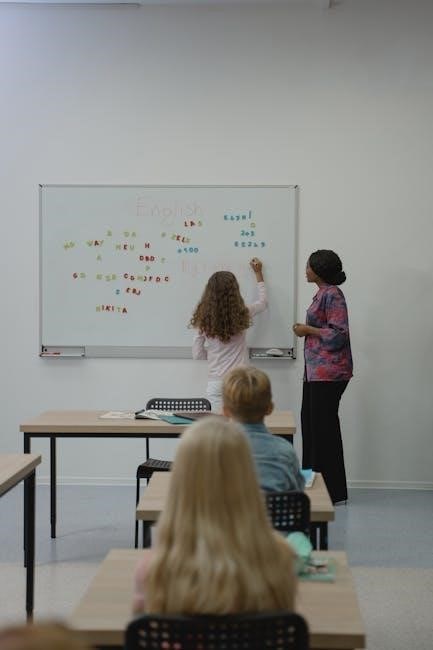
Instructional aides expertly assist teachers with diverse tasks, ranging from student support and classroom organization to material preparation and administrative duties.
Direct Support to Students
Instructional aides provide invaluable one-on-one or small group assistance, reinforcing lessons presented by the teacher. This often includes re-teaching concepts in a different way to cater to individual learning styles, and offering personalized encouragement. They help students stay on task, monitor their progress, and provide immediate feedback.
Aides also assist with completing assignments, reading materials, and practicing skills. They are instrumental in helping students who may struggle with specific academic areas, offering targeted support to build confidence and understanding. Furthermore, they can facilitate student participation in classroom activities and ensure all learners have access to the curriculum, fostering a more inclusive learning environment. Their presence allows teachers to dedicate more focused attention to the entire class.
Assistance with Classroom Management
Instructional aides significantly contribute to a well-managed classroom, allowing the teacher to focus on instruction. They assist in maintaining a positive learning environment by supervising students during transitions, lunch, recess, and other non-instructional times. Aides can proactively address minor behavioral issues, redirecting students and reinforcing classroom rules.
They help organize the classroom space, ensuring materials are readily available and the learning area remains tidy. Aides also support the implementation of behavior management plans for students with specific needs, documenting observations and reporting concerns to the teacher. By sharing responsibility for classroom order, they create a more conducive atmosphere for learning and minimize disruptions, benefiting all students.
Preparation of Materials
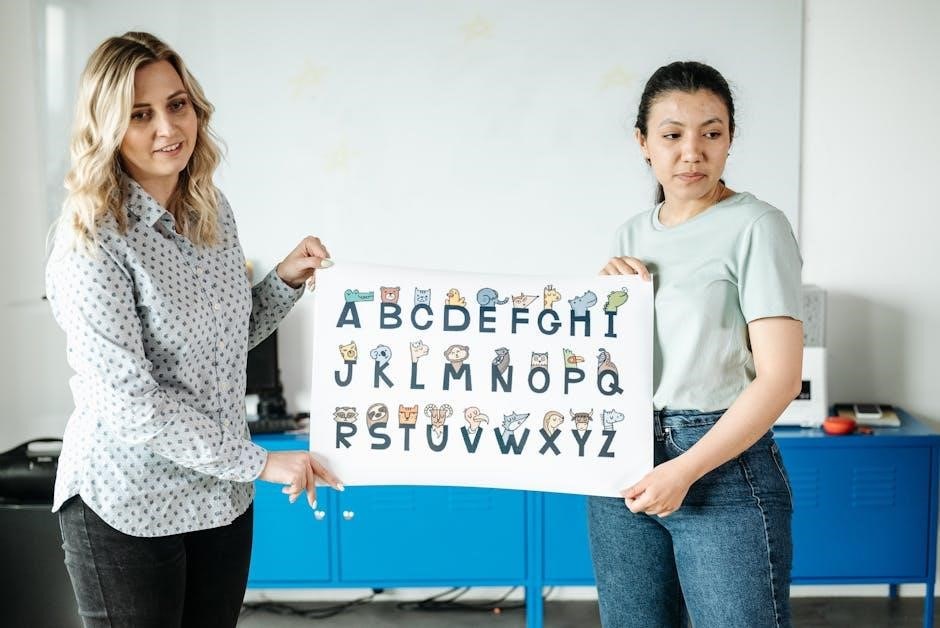
Instructional aides play a crucial role in preparing a wide range of materials that support effective teaching and learning. This includes photocopying worksheets, assembling packets, and creating visual aids like charts and posters. They often assist in preparing materials for students with diverse learning needs, adapting resources to ensure accessibility.
Aides may also be responsible for setting up learning centers, organizing classroom libraries, and preparing technology for lessons. They can laminate materials for durability, bind student work, and maintain an inventory of classroom supplies. This proactive preparation frees up the teacher’s time, allowing them to concentrate on lesson delivery and individual student support, ultimately enhancing the learning experience.

Administrative Support Tasks
Instructional aides frequently contribute to the smooth operation of the classroom through various administrative support tasks. These can include taking attendance, recording student data, and maintaining files. Aides may assist with grading simple assignments, compiling reports, and organizing student work samples for assessment purposes.
They often manage classroom communication, such as sending notes home to parents or updating online platforms with student progress. Aides can also assist with scheduling parent-teacher conferences and managing classroom subscriptions. By handling these administrative duties, instructional aides alleviate the teacher’s workload, allowing them to focus more intently on instruction and student interaction.

Types of Instructional Aides
Instructional aides vary in their focus; some work individually, while others support small groups or the entire class, based on student needs.
One-on-One Aides
One-on-one instructional aides provide intensely focused support to a single student, typically those with significant learning, behavioral, or physical needs. Their primary role is to facilitate the student’s access to the general education curriculum and promote independence. This often involves adapting materials, providing individualized instruction, and reinforcing lessons taught by the classroom teacher.
These aides work closely with teachers and specialists to implement Individualized Education Programs (IEPs) or other support plans. They may assist with personal care, mobility, and communication, depending on the student’s requirements. Building a strong rapport with the student is crucial, fostering trust and encouraging active participation. The goal isn’t to do the work for the student, but to empower them to succeed.
Small Group Aides
Small group instructional aides work with clusters of students, typically those needing targeted support in specific skill areas. Unlike one-on-one aides, their focus is on facilitating learning within a peer setting, promoting collaboration and social interaction. They might lead activities to reinforce concepts introduced by the teacher, provide extra practice, or pre-teach skills to prepare students for upcoming lessons.
These aides often support students who are struggling with reading, math, or writing, offering differentiated instruction tailored to their needs. They monitor student progress, provide feedback, and communicate observations to the teacher. A key skill is the ability to manage a small group effectively, ensuring all students are engaged and participating. They help build confidence and foster a positive learning environment.
General Classroom Aides
General classroom aides provide broad support to the teacher and all students within the classroom. Their duties are varied and often encompass a wide range of tasks, making them incredibly versatile members of the educational team. They assist with daily routines, such as organizing materials, setting up learning centers, and maintaining a tidy classroom environment.
These aides frequently help with tasks like photocopying, grading simple assignments, and record-keeping. They may also supervise students during transitions, lunch, or recess. While not typically responsible for direct instruction, they can reinforce lessons by working with individual students or small groups under the teacher’s direction. Their flexibility and willingness to assist wherever needed are invaluable to a smoothly functioning classroom.
Specialized Aides (e.g., for students with disabilities)
Specialized instructional aides possess unique training to support students with specific needs, particularly those with disabilities. They implement individualized education programs (IEPs) developed by teachers and specialists, providing tailored assistance to help students achieve their learning goals. This might involve modifying assignments, assisting with assistive technology, or providing one-on-one support during lessons.
These aides often have expertise in areas like autism spectrum disorder, learning disabilities, or physical impairments. They focus on fostering independence and inclusion, helping students participate fully in classroom activities. Maintaining detailed records of student progress and communicating effectively with the IEP team are crucial aspects of their role, ensuring a coordinated and supportive learning environment.
Qualifications and Training
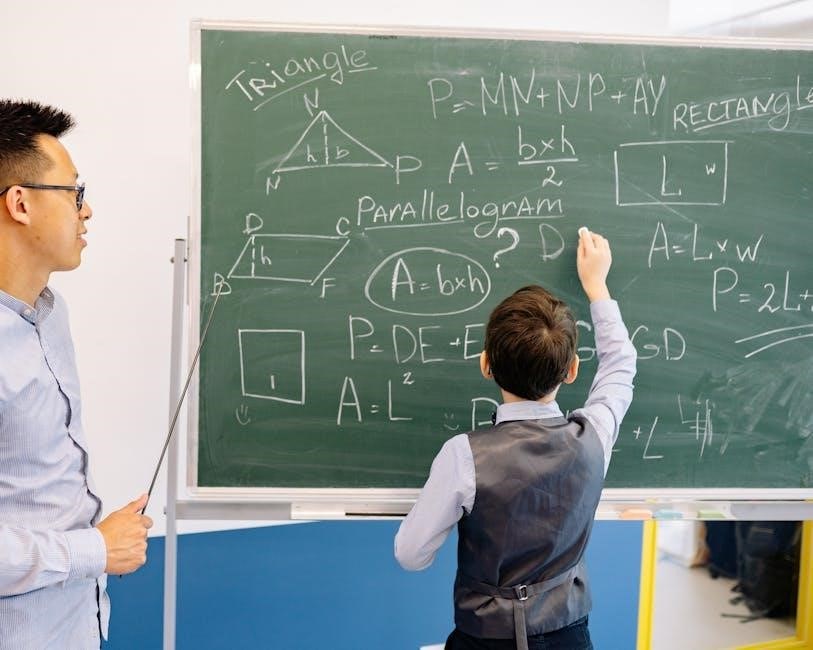
Becoming an instructional aide typically requires a high school diploma, with some positions preferring associate’s degrees and specific training certifications.
Educational Requirements
Generally, a high school diploma or its equivalent is the minimum educational requirement to pursue a role as an instructional aide. However, the specific requirements can vary significantly depending on the school district, state regulations, and the specific needs of the position.
Many districts are increasingly prioritizing candidates with some level of post-secondary education. An associate’s degree in education, child development, or a related field can be highly advantageous, often leading to better job opportunities and potentially higher pay. Some positions, particularly those working with students with significant needs, may even require a bachelor’s degree.
Furthermore, completion of specific coursework or training programs focused on topics like classroom management, child psychology, or special education can be beneficial and, in some cases, mandatory. These programs demonstrate a commitment to professional development and equip aides with essential skills.
Required Skills and Attributes
Successful instructional aides possess a diverse skillset. Patience and empathy are paramount, as is the ability to connect with students from varied backgrounds and with diverse learning styles. Strong communication skills – both verbal and written – are essential for interacting with students, teachers, and parents.
Organizational skills are crucial for managing materials, maintaining records, and assisting with classroom tasks. Flexibility and adaptability are also key, as daily routines can change unexpectedly. A proactive attitude and willingness to learn are highly valued;
Furthermore, basic computer literacy is often required for tasks like data entry and utilizing educational software. Finally, the ability to maintain confidentiality and adhere to professional boundaries is non-negotiable, ensuring a safe and supportive learning environment for all students.
Professional Development Opportunities
Continuous learning is vital for instructional aides. Many schools offer workshops on topics like classroom management, behavior support, and strategies for assisting students with specific learning needs. Online courses and webinars provide flexible learning options, covering areas such as differentiated instruction and assistive technology.
Paraeducator certifications and associate degrees in education are valuable credentials that demonstrate commitment and enhance skills. Local colleges and universities often provide relevant coursework. Attending conferences and workshops focused on special education or early childhood development can broaden knowledge.
Furthermore, mentorship programs pairing experienced aides with newcomers offer invaluable support and guidance. Seeking out professional development opportunities demonstrates a dedication to providing the best possible support to students and teachers.
Working with Students with Diverse Needs
Instructional aides skillfully adapt their support strategies to meet the unique learning styles and requirements of each student they assist daily.
Supporting Students with Learning Disabilities
Instructional aides play a critical role in supporting students with learning disabilities, often working one-on-one or in small groups to reinforce concepts. They help break down complex tasks into manageable steps, providing individualized instruction tailored to the student’s specific needs.

Aides assist with organizational skills, note-taking, and time management, crucial areas where students with learning disabilities frequently struggle. They may also implement accommodations outlined in Individualized Education Programs (IEPs), such as providing extended time on assignments or utilizing assistive technology.
Patience, understanding, and a positive attitude are essential when working with these students. Aides consistently monitor student progress, providing valuable feedback to teachers and contributing to a supportive learning environment that fosters confidence and academic growth.
Assisting Students with Physical Disabilities
Instructional aides provide invaluable support to students with physical disabilities, ensuring they have equal access to educational opportunities. This often involves assisting with mobility, positioning, and personal care needs within the classroom setting, always respecting the student’s dignity and independence.
Aides help adapt learning materials and activities to accommodate physical limitations, potentially utilizing assistive devices like specialized keyboards or communication boards. They facilitate participation in physical education and other activities, modifying tasks as needed to promote inclusion.
Furthermore, aides are trained to recognize and respond to medical needs, administering medication or providing assistance during emergencies. Their presence fosters a safe and supportive environment, allowing students to focus on learning and achieving their full potential.
Working with English Language Learners
Instructional aides play a critical role in supporting English Language Learners (ELLs), bridging communication gaps and fostering language acquisition. They often provide one-on-one or small group tutoring, reinforcing vocabulary and concepts presented in class, using simplified language and visual aids.
Aides assist with translating instructions and materials, ensuring ELLs understand assignments and participate fully in classroom activities. They create a welcoming and inclusive environment, encouraging students to practice their English skills without fear of judgment.
Moreover, they may help students navigate cultural differences and connect with peers, promoting social-emotional well-being. Aides collaborate closely with teachers to implement strategies that cater to individual language needs, ultimately empowering ELLs to succeed academically.

Collaboration and Communication
Instructional aides thrive through consistent, open communication and strong collaborative partnerships with teachers and other school personnel daily.

Working with Teachers
Instructional aides and teachers must maintain a strong, collaborative relationship built on mutual respect and open communication. Aides should proactively seek clarification regarding lesson plans, student needs, and expectations for their role in supporting instruction.
Regular check-ins, whether formal or informal, are essential for ensuring alignment and addressing any challenges that may arise. Aides can provide valuable insights into student progress and behavior, informing the teacher’s instructional decisions.
Effective aides anticipate teacher needs, offering assistance with tasks like preparing materials, organizing the classroom, and providing individualized support to students, freeing the teacher to focus on whole-group instruction and curriculum development. This partnership is key to a successful learning environment.
Communicating with Parents/Guardians
Instructional aides often serve as a key communication link between teachers and parents/guardians, particularly regarding a student’s daily progress and classroom experiences. While direct communication should always be guided by the teacher and school policies, aides can share positive observations and relay important information.
Maintaining confidentiality is paramount; aides should never discuss sensitive student information without teacher approval. They can assist with translating materials or facilitating communication for families with language barriers.
Aides can also help prepare for parent-teacher conferences by gathering relevant data or observations. Building a positive rapport with families demonstrates a commitment to the student’s overall well-being and fosters a strong home-school connection.
Teamwork with Other Support Staff
Instructional aides rarely work in isolation; effective collaboration with other support staff – such as school psychologists, speech therapists, occupational therapists, and special education teachers – is crucial for student success; Regular communication ensures a coordinated approach to addressing individual student needs.
Aides can contribute valuable insights from their daily interactions with students, informing the development of individualized education programs (IEPs) or behavior intervention plans.
Sharing observations and strategies with colleagues promotes consistency and reinforces learning across different settings. Participating in team meetings and professional development opportunities further strengthens collaborative relationships and enhances the quality of support provided to students.
The Impact of Instructional Aides
Instructional aides significantly contribute to student achievement and well-being, creating more inclusive and supportive learning environments for everyone involved.
Improved Student Outcomes
Instructional aides demonstrably contribute to enhanced academic performance across various subjects. By providing targeted support, they help students grasp complex concepts and complete assignments successfully. This individualized attention is particularly beneficial for students who may struggle in larger classroom settings.
Furthermore, aides assist in closing achievement gaps by offering extra help to those who need it most. Increased student engagement is often observed, as aides can tailor learning activities to individual interests and learning styles. This leads to greater confidence and a more positive attitude towards learning.
Data consistently shows a correlation between the presence of effective instructional aides and improved test scores, higher graduation rates, and increased participation in advanced coursework. Ultimately, their support empowers students to reach their full potential.
Enhanced Classroom Environment
Instructional aides significantly contribute to a more positive and productive classroom atmosphere. Their presence allows teachers to dedicate more focused attention to lesson planning and individualized instruction, reducing overall classroom stress. Aides proactively manage disruptions, fostering a calmer learning space for all students.
They also help create a more inclusive environment by supporting students with diverse needs, ensuring everyone feels valued and engaged. This support extends to facilitating positive social interactions and promoting a sense of community within the classroom.
With an aide assisting, teachers can implement more varied and engaging activities, enriching the learning experience. This collaborative approach ultimately cultivates a more supportive and stimulating environment where students thrive academically and emotionally.