
Understanding Baker Cyst Treatment
Effective treatment strategies encompass conservative approaches, NSAIDs for pain, corticosteroid injections, and even surgical interventions targeting underlying joint issues and the cyst itself.
What is a Baker Cyst?
A Baker cyst, also medically termed a popliteal cyst, represents a fluid-filled swelling commonly observed at the back of the knee. This condition arises due to an underlying issue within the knee joint, causing synovial fluid to accumulate and bulge outwards, forming the noticeable cyst. Often, it’s not the cyst itself causing significant problems, but rather the primary knee pathology – like arthritis or a meniscus tear – that necessitates attention.

These cysts aren’t typically dangerous, but can cause discomfort, stiffness, and a feeling of tightness behind the knee. Symptoms can range from mild aching to sharp pain, especially with activity. Diagnosis is frequently clinical, meaning a doctor can identify it through a physical examination. Understanding the root cause is crucial for effective treatment, as simply addressing the cyst without treating the underlying knee problem often leads to recurrence.
Causes and Contributing Factors
Baker cysts typically develop as a secondary condition, stemming from underlying knee problems; Osteoarthritis and meniscal tears are frequent culprits, creating excess synovial fluid within the joint. This fluid seeks the path of least resistance, often bulging into the popliteal space behind the knee. The joint capsule features a one-way valve mechanism, facilitating fluid leakage into the cyst but hindering its return.
Rheumatoid arthritis and other inflammatory conditions can also contribute. Direct trauma to the knee, though less common, can initiate the process. Identifying and addressing these primary causes is paramount for long-term management. Ignoring the underlying pathology will likely result in cyst recurrence, even after aspiration or surgical excision. Accurate diagnosis of the root cause guides appropriate treatment strategies.

Non-Surgical Treatment Options
Initial management focuses on conservative measures like rest, ice, and compression, alongside NSAIDs for pain relief and potentially corticosteroid injections.
Conservative Management
Conservative management forms the initial cornerstone of Baker cyst treatment, aiming to alleviate symptoms and reduce inflammation without invasive procedures. This approach typically involves a combination of rest, ice, compression, and elevation – often remembered by the acronym RICE. Restricting activities that aggravate the knee joint is crucial, allowing the inflammation to subside.
Applying ice packs to the affected area for 15-20 minutes several times a day helps minimize swelling and pain. Compression, using an elastic bandage, provides support and further reduces edema. Elevating the leg above heart level also aids in fluid drainage.
Furthermore, activity modification is key; avoiding deep squats, prolonged standing, and strenuous exercise can prevent further irritation. While conservative measures may not eliminate the cyst entirely, they often provide significant symptom relief and can be sufficient for many individuals, particularly those with mild cases. Consistent adherence to these principles is vital for optimal outcomes.

NSAIDs and Pain Relief
Nonsteroidal anti-inflammatory drugs (NSAIDs) play a significant role in managing Baker cyst symptoms, primarily focusing on pain reduction and inflammation control. These medications, available both over-the-counter and by prescription, work by inhibiting the production of prostaglandins, substances that contribute to pain and swelling. Common examples include ibuprofen, naproxen, and aspirin.
While NSAIDs effectively address the symptomatic aspects of a Baker cyst, they do not treat the underlying cause; Therefore, they are often used in conjunction with other conservative management strategies like rest, ice, compression, and elevation. It’s crucial to follow dosage instructions carefully and be aware of potential side effects, such as gastrointestinal upset or cardiovascular risks.
For individuals with persistent pain, a healthcare professional may recommend stronger prescription NSAIDs or explore alternative pain relief options. Topical NSAIDs, applied directly to the skin, can also provide localized relief with fewer systemic side effects. Pain relief allows for better participation in rehabilitation exercises.
Corticosteroid Injections
Corticosteroid injections offer a more potent, localized approach to reducing inflammation and pain associated with Baker cysts. Typically administered directly into the cyst or the surrounding knee joint, these injections contain powerful anti-inflammatory medication. While providing relatively quick relief, the effects are often temporary, lasting weeks to months.
The primary benefit lies in decreasing swelling and discomfort, enabling improved range of motion and facilitating participation in physical therapy. However, repeated injections are generally discouraged due to potential long-term side effects, including cartilage damage, infection risk, and tendon weakening.
A healthcare provider will carefully assess the risks and benefits before recommending this treatment option. Often, corticosteroid injections are used as a bridge to allow for more effective rehabilitation. They don’t address the underlying cause of the cyst, so addressing the root problem remains crucial for long-term management.
Aspiration of Cyst Fluid
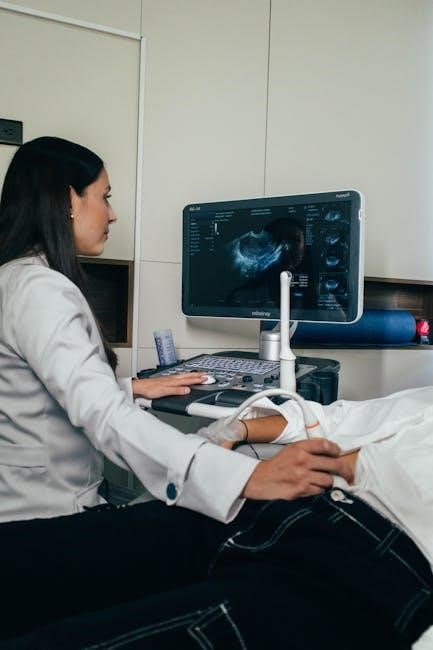
Aspiration involves using a needle and syringe to drain the fluid accumulated within the Baker cyst. This procedure aims to relieve pressure and reduce the noticeable bulge, providing immediate, though often temporary, symptomatic relief. It’s typically performed in a clinical setting by a healthcare professional, often guided by ultrasound for precision.
While aspiration can quickly decrease discomfort and improve knee mobility, it doesn’t address the underlying cause of the cyst formation. The cyst frequently refills with fluid unless the primary joint issue is treated concurrently. Therefore, aspiration is often combined with other therapies, like corticosteroid injections or physical therapy.
There’s a small risk of infection associated with aspiration, and the procedure may cause mild discomfort during and after. It’s considered a relatively safe and straightforward intervention, particularly for large, symptomatic cysts causing significant distress.
Surgical Interventions
Surgical options include arthroscopic repair of underlying issues, cyst excision, and addressing the one-way valve to prevent re-accumulation of fluid within the joint.
Arthroscopic Surgery for Underlying Pathology
Arthroscopic surgery plays a crucial role when a Baker cyst stems from an underlying knee joint problem, such as a meniscal tear or arthritis. This minimally invasive procedure allows surgeons to address the root cause directly, rather than solely focusing on the cyst itself.
During arthroscopy, a small camera and specialized instruments are inserted through tiny incisions. This enables visualization and repair of damaged cartilage, removal of loose bodies, or treatment of meniscal tears. Correcting these intra-articular issues aims to reduce fluid production within the knee joint, thereby diminishing the pressure that contributes to cyst formation.
By resolving the primary pathology, the one-way valve mechanism – responsible for fluid leakage into the popliteal space – often improves or resolves naturally. This approach offers a more sustainable solution compared to simply draining the cyst, as it tackles the source of the problem and minimizes the risk of recurrence. Successful arthroscopic intervention can significantly alleviate pain and restore knee function.
Cyst Excision
Cyst excision, the surgical removal of the Baker cyst itself, is considered when other treatments haven’t provided sufficient relief, or if the cyst is large and causing significant discomfort or limiting movement. This procedure typically involves an incision in the back of the knee to access and carefully dissect the cyst from surrounding tissues.
While effective in removing the fluid-filled sac, simple excision alone often has a higher recurrence rate if the underlying knee pathology isn’t addressed. Therefore, surgeons frequently combine cyst excision with arthroscopic procedures to correct any contributing factors like cartilage damage or meniscal tears.
Careful attention is given to identifying and addressing the one-way valve mechanism that allows fluid to accumulate within the cyst. Complete removal of the cyst, coupled with correction of the underlying cause, offers the best long-term outcome, reducing pain and improving knee functionality. Post-operative rehabilitation is crucial for optimal recovery.
Addressing the One-Way Valve Mechanism
Understanding and addressing the one-way valve mechanism within the joint capsule is crucial for successful, long-term Baker cyst treatment. This valve allows synovial fluid to flow into the cyst but prevents it from flowing back, leading to progressive swelling and discomfort. Identifying the specific anatomical defect responsible for this valve action is key.
Arthroscopic surgery plays a vital role in correcting this mechanism. Surgeons can visualize the joint capsule and identify any flaps or constrictions that are impeding normal fluid exchange. These can be released or repaired arthroscopically, restoring proper fluid dynamics.
Eliminating the valve mechanism, alongside addressing the underlying intra-articular pathology, significantly reduces the likelihood of cyst recurrence. Simply excising the cyst without correcting the valve often results in re-accumulation of fluid. A comprehensive approach, targeting both the cyst and its root cause, is paramount for lasting relief and improved knee function.

Rehabilitation and Exercises
Targeted exercises improve knee mobility, strengthen surrounding muscles, and actively reduce pain associated with Baker cysts, aiding in a full recovery.
Knee Mobility Exercises

Restoring full knee range of motion is crucial for Baker cyst rehabilitation; Gentle exercises, performed consistently, help reduce stiffness and improve joint function. Begin with heel slides, slowly moving your heel towards your buttocks while keeping your leg straight, repeating 10-15 times.
Next, incorporate knee extensions, sitting with your leg supported and straightening your knee as much as possible, holding for a few seconds before slowly lowering. Perform 10-15 repetitions. Wall slides are also beneficial; lean against a wall and slowly slide down, bending your knees, then slide back up.
Ensure movements are pain-free and controlled. Avoid pushing through significant discomfort. These exercises aim to lubricate the joint, decrease pressure, and improve overall knee flexibility, contributing to long-term relief and preventing recurrence. Consistency is key for optimal results.
Strengthening Exercises
Strengthening the muscles surrounding the knee is vital for supporting the joint and reducing stress that contributes to Baker cyst formation. Quadriceps strengthening is paramount; perform straight leg raises while lying down, contracting your thigh muscles and holding for five seconds, repeating 10-15 times.
Hamstring curls, using resistance bands or a machine, are equally important, strengthening the muscles at the back of your thigh. Aim for 10-15 repetitions. Calf raises help stabilize the ankle and improve overall leg strength. Perform these standing, raising up onto your toes.
Wall sits are an excellent isometric exercise, building endurance in the quadriceps. Hold for 30-60 seconds, repeating several times. Gradually increase resistance and repetitions as strength improves. These exercises enhance knee stability and reduce the likelihood of cyst recurrence.
Exercises for Pain Reduction

Gentle range-of-motion exercises are crucial for alleviating pain associated with Baker cysts. Heel slides, performed while lying down, involve slowly sliding your heel towards your buttocks, bending the knee. Repeat 10-15 times. Knee extensions, performed sitting with legs extended, gently straighten and bend the knee, focusing on controlled movement.
Stationary cycling at a low resistance provides a low-impact cardiovascular workout while promoting knee flexibility and reducing stiffness. Aim for 10-15 minutes. Calf stretches, leaning against a wall with one leg extended back, help relieve tension in the posterior compartment of the leg.
Foam rolling the calf muscles can also reduce tightness and pain. Remember to listen to your body and avoid any movements that exacerbate your symptoms. Consistent, gentle exercise is key to long-term pain management.
Diagnosis of Baker Cysts
Typically, diagnosis relies on a clinical examination, though imaging like MRI or ultrasound can confirm the presence and rule out other conditions.
Clinical Diagnosis
A Baker cyst diagnosis frequently begins with a thorough physical examination conducted by a healthcare professional. Palpation of the popliteal fossa – the area behind the knee – often reveals a noticeable, fluid-filled mass. Patients commonly report a feeling of tightness or fullness in this region. Medical history review is crucial, focusing on pre-existing knee conditions like arthritis or cartilage tears, which are frequently linked to cyst development.
Specific tests may be performed to assess the cyst and rule out other potential causes of knee pain. These include range-of-motion tests to evaluate knee flexibility and stability. Furthermore, clinicians may inquire about symptoms like pain with activity, stiffness, or a limited ability to fully extend the knee. While a clinical diagnosis is often sufficient, imaging studies are sometimes necessary to confirm the diagnosis and assess the underlying cause.
Imaging modalities, such as ultrasound or MRI, can visualize the cyst and identify any associated joint pathology. These scans help differentiate a Baker cyst from other conditions like deep vein thrombosis or a tumor. Accurate diagnosis is essential for guiding appropriate treatment strategies.

Long-Term Management and Prevention
Sustained relief involves managing underlying joint conditions, employing preventative knee care, and maintaining strength/flexibility to minimize recurrence and long-term discomfort.
Managing Underlying Joint Conditions
Addressing the root cause is paramount for long-term Baker cyst management. Often, these cysts arise secondary to pre-existing knee problems like osteoarthritis, meniscus tears, or rheumatoid arthritis. Effective control of these conditions directly impacts cyst resolution and prevents recurrence.
For osteoarthritis, this may involve weight management, physical therapy to strengthen supporting muscles, and pain relief strategies like NSAIDs or viscosupplementation. Meniscal tears frequently require arthroscopic surgery to repair or remove the damaged cartilage, reducing joint irritation and effusion.
Rheumatoid arthritis necessitates systemic disease-modifying antirheumatic drugs (DMARDs) prescribed by a rheumatologist to control inflammation. Consistent medical follow-up and adherence to prescribed treatment plans are crucial. Ignoring the underlying joint pathology will likely lead to persistent cyst formation and ongoing symptoms, diminishing the effectiveness of cyst-specific treatments.
Proactive management of these conditions is therefore the cornerstone of preventing future Baker cyst development.
Preventative Measures
Proactive steps can significantly reduce the risk of Baker cyst development or recurrence. Maintaining a healthy weight minimizes stress on the knee joint, lessening the likelihood of underlying cartilage damage and inflammation. Regular, low-impact exercise, such as swimming or cycling, strengthens the muscles surrounding the knee, providing support and stability.
Proper form during physical activity is crucial; avoid activities that excessively strain the knee. Utilizing appropriate footwear with good arch support can also contribute to joint health. Promptly address any knee pain or swelling, seeking medical evaluation to diagnose and treat underlying issues before they escalate.
Strengthening exercises focusing on the quadriceps, hamstrings, and calf muscles are particularly beneficial. Avoiding prolonged periods of kneeling or squatting can also help. Early intervention and consistent adherence to preventative strategies are key to preserving knee joint health and minimizing the risk of Baker cyst formation.