
Microneedling Aftercare Instructions: A Comprehensive Guide (Updated 01/23/2026)
Following microneedling‚ diligent aftercare is paramount for optimal healing and results; this guide‚ assembled with expert dermatologists‚ details essential dos and don’ts for a successful recovery.
Understanding the Initial 24-48 Hours
The first 24-48 hours post-microneedling are critical for initiating the healing process. Immediately after treatment‚ expect a flushed‚ sunburn-like appearance‚ which is perfectly normal. Your skin will feel warm and sensitive to the touch‚ similar to mild sunburn.
Managing redness and sensitivity is key during this phase. Avoid touching your face unnecessarily to prevent introducing bacteria. Gentle‚ cool compresses can help soothe discomfort and minimize swelling. It’s crucial to keep the skin hydrated‚ but avoid applying any active ingredients like retinoids‚ AHAs/BHAs‚ or Vitamin C‚ as these can cause irritation. Prioritize rest and avoid strenuous activities that might increase blood flow to the face. Remember‚ patience is vital as your skin begins its rejuvenation journey.
Immediate Post-Treatment Appearance
Directly following a microneedling session‚ your skin will exhibit a noticeable redness‚ resembling a mild to moderate sunburn. This is a completely expected physiological response as the body initiates its repair mechanisms. Tiny pinpoint bleeding may also be visible‚ which will subside quickly.
Expect a warm‚ tight sensation‚ and increased sensitivity to touch. The skin may feel slightly rough due to the micro-channels created during the procedure. It’s important to understand that this appearance is temporary and signifies the beginning of collagen production. Avoid harsh lighting or scrutinizing your skin immediately after‚ as it can be unsettling. This initial phase is about allowing the skin to calm and begin its natural healing process without interruption.
Managing Redness and Sensitivity
The initial redness post-microneedling typically diminishes within 12-48 hours‚ though some lingering pinkness can persist for up to a week‚ depending on treatment intensity. To manage this‚ apply a cool compress – a clean‚ soft cloth dampened with cool water – for 10-15 minutes several times a day.
Avoid hot water‚ steam rooms‚ and strenuous activity that increases blood flow. Gentle‚ hydrating serums and moisturizers are crucial to soothe the skin and support barrier repair. If sensitivity is significant‚ consider a calming mask containing ingredients like aloe vera or chamomile. Resist the urge to pick or scratch‚ even if the skin feels flaky. Patience is key; allow the skin to heal naturally‚ minimizing irritation and promoting optimal recovery.
Essential Dos for Optimal Healing
Prioritizing proper aftercare is crucial for maximizing microneedling benefits. Hydration is key; drink plenty of water to support skin’s natural healing processes. Implement a gentle cleansing protocol using a mild‚ fragrance-free cleanser – avoid harsh scrubbing.
Moisturizer application is vital‚ focusing on products containing hyaluronic acid‚ peptides‚ or ceramides to replenish and protect the skin barrier. Sun protection is non-negotiable; apply a broad-spectrum SPF 30 or higher daily‚ even on cloudy days‚ to prevent hyperpigmentation and protect newly generated collagen. Keep skin cool and avoid excessive heat. Listen to your skin and adjust your routine accordingly.
Hydration is Key
Following microneedling‚ internal hydration significantly supports the skin’s recovery process. Increased water intake helps maintain skin elasticity and promotes optimal cellular function‚ crucial for collagen synthesis. Aim to drink at least eight glasses of water daily‚ and consider incorporating hydrating foods like fruits and vegetables into your diet.
Adequate hydration aids in flushing out toxins and delivering essential nutrients to the skin‚ accelerating healing and reducing inflammation. Dehydration can hinder the recovery process‚ leading to dryness and prolonged sensitivity. Prioritize consistent hydration throughout the initial recovery period and beyond to maximize the long-term benefits of microneedling.
Gentle Cleansing Protocol
Post-microneedling‚ your skin barrier is temporarily compromised‚ necessitating a gentle cleansing routine. Avoid harsh soaps‚ scrubs‚ or abrasive cleansers that can cause irritation and impede healing. Opt for a mild‚ pH-balanced cleanser specifically formulated for sensitive skin. Use lukewarm water – hot water can exacerbate redness and inflammation.
Cleanse your face gently with your fingertips‚ avoiding vigorous rubbing or scrubbing. Pat your skin dry with a soft‚ clean towel‚ rather than rubbing. Limit cleansing to twice daily‚ or even just once at night‚ to prevent over-drying. This delicate approach supports the skin’s natural recovery process and minimizes the risk of complications.
Moisturizer Application – What to Look For
Hydration is crucial post-microneedling to support skin recovery and barrier function. Choose a moisturizer that is rich in ceramides‚ hyaluronic acid‚ and peptides – ingredients known to soothe‚ hydrate‚ and promote collagen synthesis. Avoid products containing fragrances‚ dyes‚ or potentially irritating additives. Look for formulations labeled “hypoallergenic” and “non-comedogenic”.
Apply a generous layer of moisturizer immediately after cleansing‚ while the skin is still slightly damp. This helps to lock in hydration. Reapply throughout the day as needed‚ especially if you experience dryness or flaking. Consistent moisturization will aid in minimizing discomfort and optimizing the healing process‚ leading to better results.
Sun Protection – A Non-Negotiable
Post-microneedling skin is exceptionally vulnerable to sun damage; diligent sun protection is absolutely essential. UV exposure can hinder the healing process‚ cause hyperpigmentation‚ and compromise the results of the treatment. Apply a broad-spectrum sunscreen with an SPF of 30 or higher every morning‚ even on cloudy days.
Reapply sunscreen every two hours‚ or more frequently if swimming or sweating. Seek shade whenever possible‚ and consider wearing protective clothing‚ such as a wide-brimmed hat and sunglasses. Avoid peak sun hours between 10 AM and 4 PM. Consistent and thorough sun protection is paramount for maintaining skin health and maximizing the benefits of microneedling.
Strict Don’ts to Avoid Complications
Following microneedling‚ certain activities are strictly prohibited to prevent complications and ensure optimal healing. Avoid using active ingredients like retinoids‚ AHAs/BHAs‚ and Vitamin C for at least one week‚ as they can cause irritation and hinder recovery. Makeup should be avoided for at least 24-48 hours‚ or longer if redness persists‚ to prevent infection.
Refrain from strenuous exercise and activities that induce sweating for 48-72 hours. Harsh exfoliation or scrubs are also off-limits‚ as they can damage the newly-sensitized skin. Avoid anti-inflammatory medications unless specifically advised by your practitioner. Adhering to these “don’ts” is crucial for a smooth and successful healing process.
Avoiding Active Ingredients (Retinoids‚ AHAs/BHAs‚ Vitamin C)
Immediately post-microneedling‚ your skin is exceptionally vulnerable. Therefore‚ rigorously avoiding active ingredients – retinoids‚ alpha hydroxy acids (AHAs)‚ beta hydroxy acids (BHAs)‚ and Vitamin C – is paramount. These components‚ while beneficial in regular skincare‚ can severely irritate compromised skin‚ hindering the healing process and potentially causing inflammation or hyperpigmentation.
A minimum of one week’s abstinence is recommended‚ though sensitive skin may require a longer pause. Reintroducing these actives too soon can disrupt collagen synthesis and negate the treatment’s benefits. Focus solely on gentle hydration and soothing ingredients during the recovery period to allow your skin to rebuild and repair effectively.
Makeup Restrictions – Duration and Considerations
Following microneedling‚ it’s generally advised to abstain from makeup for at least 24-48 hours‚ and ideally longer‚ to allow the skin to breathe and heal undisturbed. Makeup can trap bacteria within the micro-channels created during the procedure‚ significantly increasing the risk of infection.
When makeup is reintroduced‚ prioritize mineral-based products‚ as they are less likely to clog pores and cause irritation. Ensure all brushes and applicators are meticulously clean. Avoid heavy coverage foundations and concealers. If redness persists‚ a tinted moisturizer with SPF offers minimal coverage while protecting the skin. Listen to your skin; if irritation occurs‚ discontinue use immediately.
Exercise and Sweating – When to Resume
Post-microneedling‚ it’s crucial to avoid strenuous exercise and activities that induce sweating for a minimum of 48-72 hours. Sweat contains salts and bacteria that can irritate the newly created micro-channels in your skin‚ potentially leading to inflammation or infection.
Light walking is generally permissible‚ but intense workouts should be postponed. If you do experience some perspiration‚ gently pat – never rub – your skin with a clean‚ lukewarm‚ damp towel. Rehydrate and consider a cooling compress. Pay close attention to your skin’s response; if irritation arises‚ extend the recovery period. Prioritize skin health over fitness for the initial days following treatment.
No Harsh Exfoliation or Scrubs
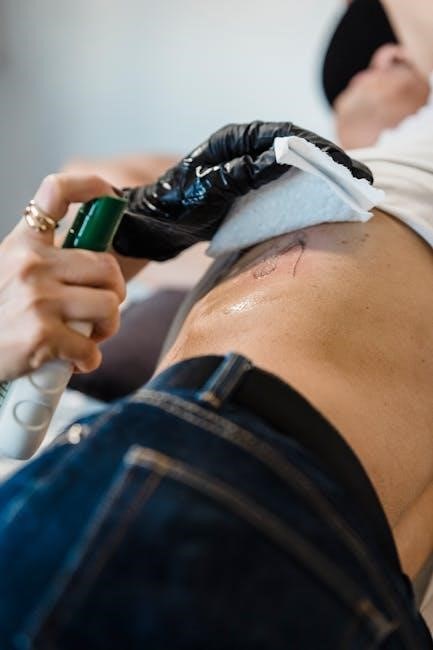
Immediately following microneedling‚ your skin is exceptionally vulnerable and requires gentle handling. Therefore‚ absolutely avoid any form of harsh exfoliation‚ including physical scrubs‚ chemical peels‚ and exfoliating brushes‚ for at least one week. These methods can disrupt the healing process‚ causing irritation‚ inflammation‚ and potentially damaging the newly stimulated collagen.
Even gentle exfoliants should be avoided initially. Your skin will naturally exfoliate as it heals; assisting this process prematurely can be detrimental. Focus on hydration and soothing ingredients instead. Resist the urge to pick at any flaking skin – allow it to shed naturally. Patience is key to achieving optimal results and maintaining skin integrity post-treatment.
Days 3-7: Continued Care and Recovery
As you move into days 3-7 post-microneedling‚ the initial redness and sensitivity will gradually subside‚ but continued diligent care is crucial. You can begin to gently reintroduce your regular skincare routine‚ but proceed with caution. Start slowly‚ adding products one at a time to monitor for any adverse reactions.
Continue prioritizing hydration and sun protection. Closely monitor your skin for any signs of infection‚ such as increased redness‚ swelling‚ pus‚ or fever. If you notice anything concerning‚ contact your practitioner immediately. This phase focuses on supporting the skin’s ongoing collagen remodeling process‚ ensuring a smooth and successful recovery.
Transitioning to a Regular Skincare Routine
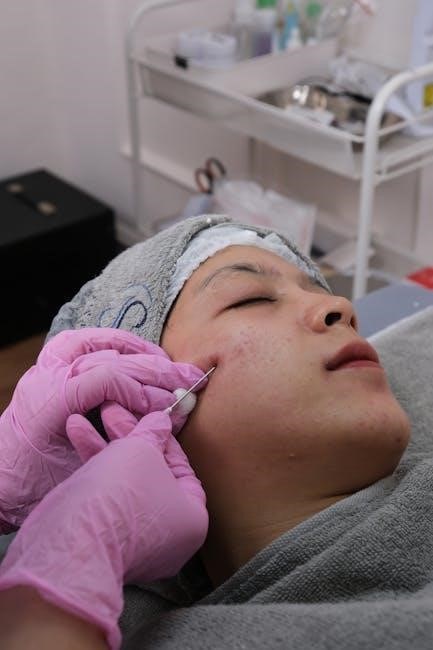
Around days 3-7‚ cautiously reintroduce your usual skincare products‚ observing for any irritation. Begin with gentle cleansers and hydrating moisturizers‚ avoiding active ingredients initially. Introduce one product at a time‚ spaced a few days apart‚ to pinpoint potential sensitivities.

Focus on calming and nourishing ingredients like hyaluronic acid and ceramides. If your skin tolerates these well‚ you can gradually add back antioxidants. Continue to avoid retinoids‚ AHAs/BHAs‚ and Vitamin C for at least a week‚ or as directed by your practitioner. Patience is key; a slow and steady approach will yield the best results and minimize the risk of setbacks during this delicate recovery phase.
Monitoring for Signs of Infection
Vigilantly monitor the treated area for any indications of infection during the recovery period. While mild redness and sensitivity are normal‚ be alert for escalating symptoms. Look out for increased pain‚ swelling‚ or warmth around the treatment site. The appearance of pus‚ excessive redness spreading beyond the treated area‚ or fever are all red flags requiring immediate attention.

If you notice any of these signs‚ do not hesitate to contact your practitioner immediately; Prompt intervention is crucial to prevent complications. Maintaining meticulous hygiene throughout the aftercare process significantly reduces infection risk‚ but awareness and swift action are essential for a safe and successful recovery.
Long-Term Aftercare and Maintenance
Sustaining the benefits of microneedling requires a consistent long-term skincare regimen. Incorporate collagen-boosting products‚ such as those containing peptides or growth factors‚ to further stimulate collagen production and maintain skin elasticity. Continued sun protection remains non-negotiable‚ as UV exposure can reverse the positive effects of the treatment.
The frequency of microneedling sessions varies depending on individual skin concerns and goals. Generally‚ a series of 3-6 treatments spaced 4-6 weeks apart is recommended for optimal results. Maintenance sessions every 6-12 months can help prolong the benefits. Consistent skincare and periodic microneedling will contribute to a youthful‚ radiant complexion.
Collagen-Boosting Products
To maximize and prolong microneedling’s collagen-stimulating effects‚ integrate targeted products into your routine. Look for serums and creams containing peptides – short chains of amino acids that signal collagen production. Growth factors are also beneficial‚ encouraging cellular repair and regeneration. Vitamin C‚ a potent antioxidant‚ further supports collagen synthesis and protects against free radical damage.
Hyaluronic acid is crucial for maintaining hydration‚ plumping the skin and enhancing the appearance of fine lines. Retinoids‚ introduced cautiously after complete healing‚ can also boost collagen‚ but avoid them immediately post-treatment. Consistent use of these products amplifies microneedling’s results‚ leading to firmer‚ smoother‚ and more youthful-looking skin.
Frequency of Microneedling Sessions
The ideal frequency of microneedling sessions depends on individual skin concerns and needle depth used. A common protocol involves a series of 3-6 treatments‚ spaced 4-6 weeks apart. This allows sufficient time for collagen remodeling and skin recovery between sessions. For addressing deeper wrinkles or significant scarring‚ more treatments may be recommended.
Maintenance sessions‚ performed every 3-6 months‚ can help sustain results and prevent the reappearance of concerns. It’s crucial to consult with your practitioner to determine a personalized treatment plan. Overdoing microneedling can lead to skin irritation and compromise its effectiveness‚ so adherence to a recommended schedule is vital for optimal‚ long-lasting benefits.
Addressing Potential Side Effects
While generally safe‚ microneedling can cause temporary side effects. Mild redness and sensitivity are common immediately post-treatment‚ typically subsiding within 24-48 hours. Managing dryness and flaking is key; use a gentle‚ hydrating moisturizer consistently. Mild swelling can occur‚ alleviated by cool compresses.
Avoid picking at any flaking skin‚ as this can hinder healing and potentially cause hyperpigmentation. If excessive redness‚ swelling‚ or signs of infection develop (pus‚ increased pain‚ fever)‚ contact your practitioner immediately. Most side effects resolve quickly with proper aftercare‚ but prompt attention to unusual reactions is crucial for a smooth recovery and optimal results.
Managing Dryness and Flaking
Dryness and flaking are expected responses as your skin heals post-microneedling; this indicates the natural exfoliation process is underway. Combat this by consistently applying a rich‚ hydrating moisturizer – look for ingredients like hyaluronic acid‚ ceramides‚ or peptides. Avoid products containing harsh chemicals or fragrances that could cause irritation.

Resist the urge to pick or scrub off the flaking skin; allow it to shed naturally to prevent damage and potential scarring. Gentle‚ lukewarm water cleansing is sufficient. Increase moisturizer application frequency if needed‚ and consider adding a hydrating serum. Maintaining adequate hydration from within‚ by drinking plenty of water‚ also supports skin recovery and minimizes dryness;
Dealing with Mild Swelling
Mild swelling is a common and normal reaction following a microneedling treatment‚ typically subsiding within 24-48 hours. To minimize swelling‚ apply cool compresses or ice packs (wrapped in a clean cloth) to the treated area for 10-15 minutes at a time‚ several times a day‚ during the first 24 hours.
Keep your head elevated‚ especially while sleeping‚ to further reduce fluid accumulation. Avoid salty foods and alcohol‚ as these can contribute to inflammation and swelling. Over-the-counter antihistamines can be considered if swelling is bothersome‚ but consult your practitioner first. If swelling is severe‚ accompanied by pain‚ or persists beyond 48 hours‚ contact your provider immediately.
Specific Considerations Based on Skin Type
Microneedling aftercare must be tailored to individual skin types for optimal results and to prevent adverse reactions. Sensitive skin requires extra gentle handling; prioritize soothing‚ fragrance-free products and avoid any potential irritants. Patch testing new products is crucial.
For acne-prone skin‚ maintaining meticulous hygiene is paramount to prevent infection. Continue with a gentle‚ non-comedogenic skincare routine‚ and avoid picking at any post-treatment blemishes. Consider incorporating a salicylic acid cleanser a few days post-treatment (if tolerated) to help prevent breakouts. Always consult your practitioner regarding specific product recommendations based on your acne type and severity.
Sensitive Skin Aftercare
Post-microneedling‚ sensitive skin demands a particularly gentle approach. Immediately following the treatment‚ prioritize calming and hydrating products devoid of fragrances‚ alcohol‚ or harsh chemicals. Redness and irritation are common‚ so a cool compress can provide relief. Introduce a simple skincare routine with a bland‚ hypoallergenic moisturizer.
Avoid active ingredients like retinoids‚ AHAs‚ and vitamin C for at least a week‚ as these can exacerbate sensitivity. Patch test any new product on a small area before applying it to the entire face. Sun protection is non-negotiable; use a mineral-based sunscreen with an SPF of 30 or higher. Listen to your skin and adjust your routine accordingly.
Acne-Prone Skin Aftercare

Microneedling can significantly benefit acne-prone skin‚ but aftercare is crucial to prevent breakouts. Maintain meticulous hygiene throughout the recovery period. Use a gentle‚ non-comedogenic cleanser to avoid clogging pores. Focus on hydration with a lightweight‚ oil-free moisturizer to support healing without exacerbating acne.
Avoid picking at any post-treatment blemishes‚ as this can lead to inflammation and scarring. Continue with your prescribed acne medications‚ unless otherwise directed by your practitioner‚ but introduce them gradually. Sunscreen is vital‚ as some acne treatments increase sun sensitivity. Monitor for any signs of infection and consult your dermatologist if concerns arise.
When to Contact Your Practitioner
Prompt communication with your practitioner is essential if you experience concerning post-microneedling symptoms. Immediately report any signs of infection‚ such as increased pain‚ swelling‚ redness‚ pus‚ or fever. Unusual or prolonged reactions‚ including persistent blistering‚ excessive bleeding‚ or worsening inflammation‚ also warrant a call.
Don’t hesitate to reach out if you notice any unexpected changes to your skin‚ like the development of new rashes or hives. If you’re unsure whether a symptom is normal or requires attention‚ it’s always best to err on the side of caution. Your practitioner can provide personalized guidance and ensure optimal healing.
Signs of Infection Requiring Immediate Attention

Recognizing infection post-microneedling is crucial for preventing complications. Seek immediate medical attention if you observe increased pain‚ significant swelling‚ or spreading redness around the treated area. The presence of pus or oozing from the treatment sites is a clear indicator of infection and demands prompt evaluation.
A fever‚ chills‚ or red streaks radiating from the treated skin are serious signs requiring urgent care. Any noticeable warmth around the area‚ coupled with tenderness‚ should also be reported to your practitioner immediately. Ignoring these symptoms could lead to more severe issues‚ so don’t delay seeking professional help.
Unusual or Prolonged Reactions
While some redness and sensitivity are expected after microneedling‚ certain reactions warrant a call to your practitioner. If redness persists beyond a week‚ or if swelling doesn’t subside within a few days‚ it’s important to seek advice. Similarly‚ prolonged discomfort or pain that intensifies instead of diminishing should be addressed promptly.
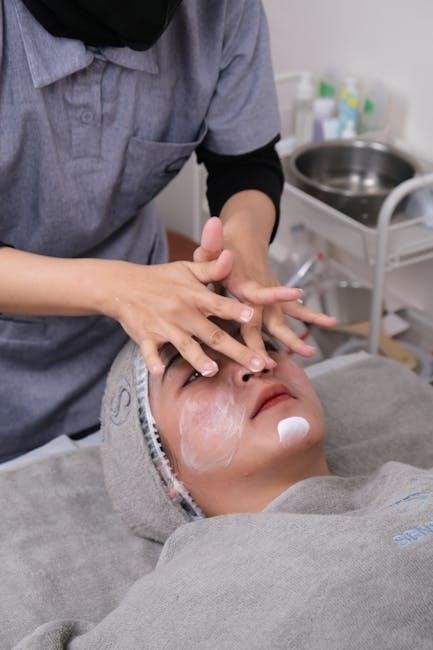
Unusual blistering‚ excessive peeling‚ or the development of new skin lesions are also concerning. Any reaction that deviates significantly from the expected healing process‚ or that causes you significant distress‚ requires professional evaluation. Don’t hesitate to reach out – early intervention can prevent minor issues from escalating.